
A featured contribution from Leadership Perspectives: a curated forum reserved for leaders nominated by our subscribers and vetted by the Manage HR Advisory Board.

MGM Resorts International
Turning Experience into Development
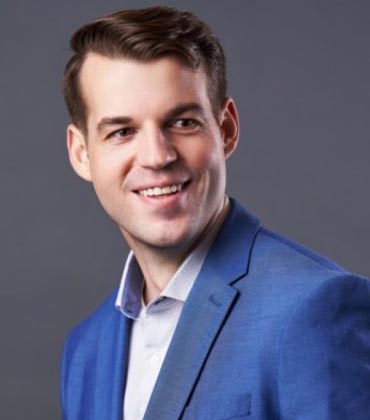
Brian McDermott
I recently spent some time shadowing in Hotel Ops at one of our properties, Park MGM. It’s an operation I hadn’t spent enough time in to fully understand the business from their perspective. Without a hospitality background, shadowing opportunities have been one of the most valuable ways for me to learn the business and gain insights that help inform the work of our Talent Development team.
During my time with the Park MGM Hotel team, three conversations highlighted a powerful reminder: while experience may be life's greatest teacher, growth occurs only when we take time to reflect on the lessons it provides.
My first conversation was with a front desk agent who I warned ahead of time that I tend to ask a lot of questions. Not long into my time with him, he laughed and said, “You weren’t kidding about the questions.”
From what I observed, he was performing at a high level while navigating situations that required both knowledge and judgment. I asked him questions like, “What's the angriest guest you've had to deal with and how did you know how to handle the situation?” and “How did you learn to provide great guest service?”
What struck me was that he never pointed to a training class, a framework or a model. Instead, he talked about difficult guest interactions, coaching conversations afterward, situations that didn't go as planned and tactics that had worked in the past. The frameworks and information he gained through guest service training undoubtedly gave him tools to apply in the situations he faced. But when he talked about how he became good at his job, those trainings never came up. Instead, he talked about the accumulation of experiences that taught him how to handle the work more effectively.
“Growth comes not from the experience itself, but from the reflection and sense-making that follows."
My second conversation was with a Resorts Operations Manager who participated in some of our Talent Development initiatives as part of his role. His biggest piece of feedback was that he wished the leadership development sessions provided more opportunities to connect with peers performing similar work at other properties to discuss shared challenges, exchange ideas and learn from one another. In other words, he wanted more opportunities to learn from experiences that were not just his own, but those of others.
Lastly, while spending time with a Senior Manager, he described one of their most effective guest service training refreshers. The approach is simple: take a guest comment containing critical feedback and ask agents to reflect on how the guest might have felt, what factors may have contributed to the interaction and how they would handle a similar situation differently in the future. In this case, a guest's experience becomes a catalyst for employee growth.
Whether reflecting on their own experiences, learning from the lessons of others or examining guest feedback, experience consistently emerged as the primary source of learning in these conversations. However, it was more than simply having experiences that drove development. The actual learning occurred when individuals took time to make meaning of those moments. The front desk agent debriefed guest interactions with his supervisor, the ROM sought opportunities to process experiences with peers and the hotel team reflected on guest feedback during training. In each case, growth came not from the experience itself, but from the reflection and sense-making that followed.
None of this is particularly groundbreaking; it is simply adult learning theory in action. Yet, the day left me wondering: How often do we intentionally create space for employees to make meaning of the experiences they are having? And what if creating those moments became the core of a Talent Development strategy?
This is not a strategy focused on delivering more content, but on helping people learn from the experiences they are already having. Take difficult conversations, for example. If we want employees to become better at having them, improvement will not come simply from attending a well-designed training session. Nor will it come solely from having difficult conversations in the course of their work. The real development occurs afterward, when employees pause to reflect on the experience themselves or with the support of a leader or colleague. Questions such as, “What went well? What could have gone better? What did I learn from this experience that I can apply moving forward? “are what transform an experience into growth.
These moments of pause and reflection should be embedded into organizational culture. It consists of practices such as teams holding debriefs at the end of a shift, leaders having thoughtful one-on-one conversations centered on recent events and the lessons learned from them or individual employees incorporating self-reflection into their daily work. It is a culture built on a simple, daily rhythm:
• What went well?
• What could have gone better?
• What did I learn from this experience that I can apply moving forward?
Embracing this mindset of continuous improvement becomes more than a vehicle for individual growth; it also serves as the engine that drives operational excellence and strengthens business performance.
Creating this culture sounds simpler than it is, but my time with the Park MGM Hotel team provided a reminder that an effective development strategy does not need to be revolutionary or costly. If experience is life's greatest teacher, our role is to ensure people have the time and support to learn from it.
The articles from these contributors are based on their personal expertise and viewpoints, and do not necessarily reflect the opinions of their employers or affiliated organizations.

Be first to read the latest tech news, Industry Leader's Insights, and CIO interviews of medium and large enterprises exclusively from Manage HR Magazine
