
A featured contribution from Leadership Perspectives: a curated forum reserved for leaders nominated by our subscribers and vetted by the Manage HR Advisory Board.

RADCO
Building Talent Pipelines through Community and Career Growth
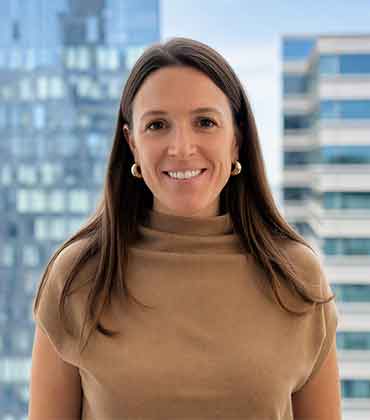
Amanda Hughes
Amanda Hughes brings experience in talent acquisition, workforce development and employer partnerships within the multifamily industry. Her work focuses on developing talent pipelines, creating career pathways and connecting organizations with emerging talent through community and educational partnerships.
Start Talent Relationships before Hiring Needs
I believe the strongest talent pipelines come from proactive community engagement and long-term relationship building rather than waiting until positions become available. At RADCO, we have had success building meaningful partnerships with local colleges, universities and technical schools. We serve on advisory boards, participate in classrooms and share industry expertise with students interested in property management, real estate and skilled trades careers.
Hands-on industry exposure is another important part of that approach. Our teams participate in mock interview days, maintenance leaders speak with HVAC and trade students about the realities of the profession and we host onsite property tours that give students a firsthand look at multifamily operations. Through our NEXTGEN Internship Program, students and emerging professionals gain practical experience while exploring the range of career paths available in the industry.
Partnerships with organizations such as Entryway and Goodwill's HVAC training program also help us connect with talented individuals who may not have traditional multifamily backgrounds but possess the drive and potential to succeed. The most effective pipeline strategy is investing in relationships before there is a hiring need.
Give Talent a Reason to Stay
Today's workforce is looking for more than a paycheck. People want meaningful work, opportunities for growth, strong leadership and a company that invests in their success.
For me, attracting talent starts with creating authentic opportunities for career exploration and development. Internships, workforce partnerships and early exposure to multifamily careers can help candidates understand the long-term opportunities available within the industry. Attracting talent matters, but retention is where organizations can make the biggest impact.
Employees are more likely to stay when they can see a future for themselves within the company. Whether it is helping a leasing professional move into leadership or supporting a maintenance technician's career growth, clear development pathways can have a significant impact on engagement and retention.
I have also found that some of the strongest hires come from nontraditional backgrounds. When organizations focus on potential, invest in development and create a culture where employees feel valued, they can attract and retain people who have the capacity to grow with the organization.
Make Culture Part of the Talent Strategy
Employer branding, career development and workplace culture influence not only who joins an organization, but also who chooses to stay and grow with it.
At RADCO, we are proud of a culture centered on growth, collaboration and a genuine investment in people. We are large enough to offer meaningful career opportunities while remaining small enough that relationships still matter and employees have access to leadership.
Through initiatives such as our annual Leadership Conference, Wellness Day, ongoing learning and development programs, regular property visits from corporate leaders and competitive benefits including company-paid health insurance, we intentionally invest in the employee experience.
Career development is deeply embedded in our culture. As RADCO has grown, we have seen significant internal promotions because we are committed to developing talent and promoting from within whenever possible.
Employer branding should be an authentic reflection of that experience. The strongest employer brands are not created through marketing campaigns. They are shaped by the everyday experiences of employees. When culture, development opportunities and employer brand are aligned, employees become strong ambassadors for the organization.
Look Beyond Traditional Talent Pools
One of the biggest shifts in multifamily talent acquisition is that organizations can no longer rely solely on competing for experienced talent. The demand for skilled maintenance professionals, leasing specialists and future property management leaders continues to exceed supply in many markets, making talent development increasingly important.
As a result, organizations are placing greater emphasis on internships, workforce partnerships and internal development programs to develop talent from within rather than relying solely on external hiring.
Candidate expectations are evolving as well. Today's workforce evaluates employers on more than compensation. Culture, leadership, career growth, benefits, flexibility and the overall employee experience all influence attraction and retention. Candidates want to understand not only the role they are being hired for, but also the opportunities available to them in the future.
We are also seeing a broader approach to sourcing talent. Some of the strongest multifamily professionals come from hospitality, retail, customer service, skilled trades and other adjacent industries. Companies that recognize transferable skills and invest in development can expand their talent pools while bringing different experiences into the organization.
Think Beyond the Open Position
My advice to talent acquisition leaders is to think beyond filling today's openings and focus on a long-term talent strategy. Future-ready teams are built by identifying potential, not just experience. Some of the best hires may not check every box on paper, but they bring the adaptability, curiosity and willingness to learn that drive long-term success.
Some of the most successful hires I have seen came from nontraditional backgrounds but possessed the customer service mindset, leadership potential and work ethic needed to thrive. I would also encourage talent acquisition leaders to become deeply involved in their local communities. Relationships with schools, workforce development programs, industry organizations and community partners can create sustainable pathways to talent while increasing awareness of multifamily as a career choice.
Recruiting also does not end when an offer is accepted. The employee experience, onboarding process, development opportunities and workplace culture all influence whether people stay and grow with an organization.
The companies that will be most successful are those that view talent acquisition as a long-term strategy rather than a transactional hiring function.
The articles from these contributors are based on their personal expertise and viewpoints, and do not necessarily reflect the opinions of their employers or affiliated organizations.

Be first to read the latest tech news, Industry Leader's Insights, and CIO interviews of medium and large enterprises exclusively from Manage HR Magazine
